Rustic Home Décor Ideas That Actually Work Together in 2026
Last updated: May 2026
This works best for homeowners decorating one or two main living spaces with mixed rustic influences. It won’t help much if you’re designing a fully modern minimalist home from scratch.
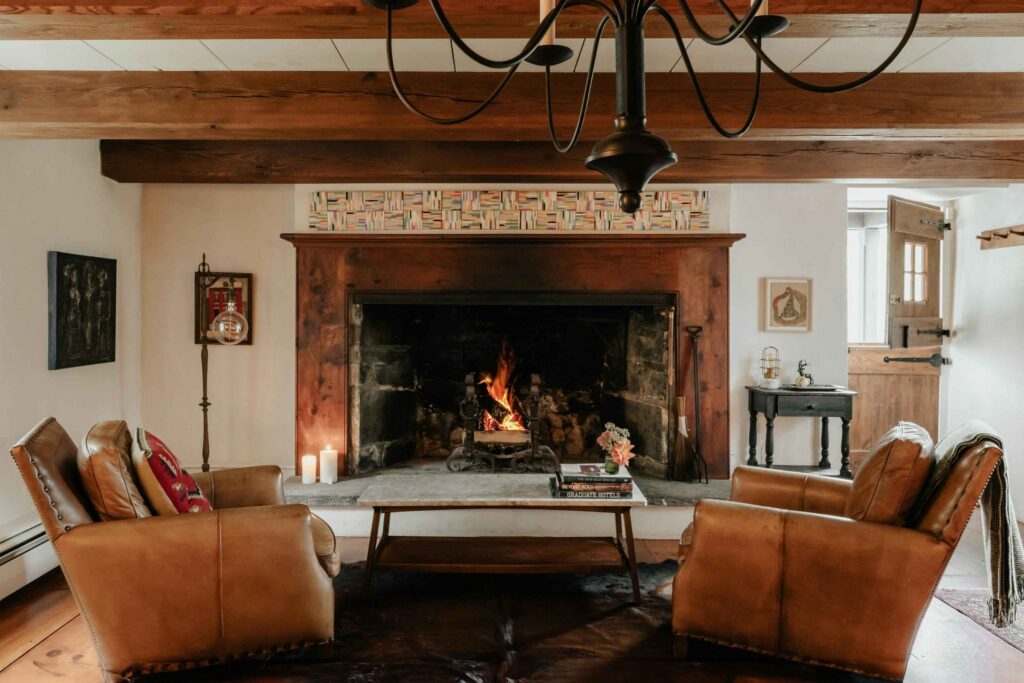
How to Mix Rustic Home Décor Styles Without Making Your Home Feel Confused
Rustic home décor refers to a decorating style built around natural materials, aged textures, and warm, lived-in character. Most rustic spaces use wood, stone, soft textiles, and handcrafted accents to create comfort rather than perfection.
The problem is that “rustic” no longer means one thing.
Some homeowners lean farmhouse. Others want Western ranch details. Coastal rustic has exploded lately too, especially in lighter homes with neutral palettes and weathered wood finishes. According to Grand View Research, the global home décor market is projected to reach USD 344.3 billion by 2034, fueled heavily by renovation and personalization trends.
And honestly, that’s where many rooms go sideways.
People buy a reclaimed wood coffee table, add coastal rope décor, throw in black farmhouse lanterns, then wonder why the room feels chaotic instead of curated.
Here’s the thing: rustic styles can absolutely work together. The trick is choosing one dominant style and letting the others support it quietly.
Why Rustic Home Décor Looks Better When One Style Leads
Many Pinterest-inspired rooms fail because every piece competes for attention. Users who’ve tried copying “rustic inspiration boards” often report that the finished room feels heavy or overly themed once everything is placed together.
A better approach is layered dominance.
Farmhouse Rustic: Soft and Practical
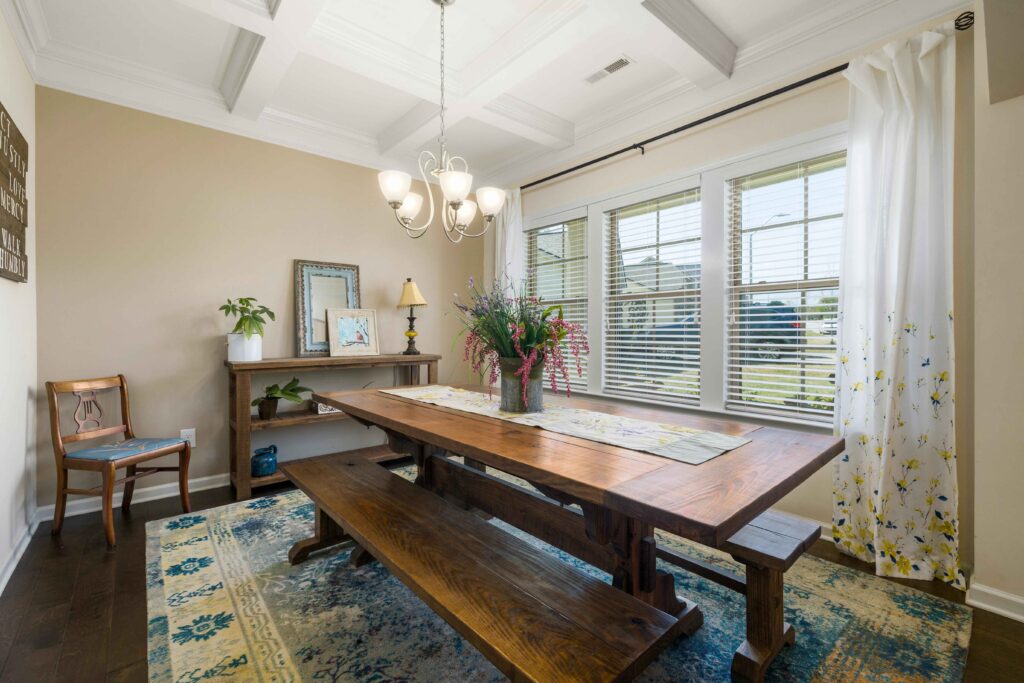
Farmhouse home decor usually focuses on comfort, symmetry, and neutral colors. Think:
- Cream ceramic vases
- Wooden cathedral window arches
- Linen curtains
- Distressed console tables
- Real-touch faux florals
Farmhouse rustic works especially well in suburban homes because the style softens large open rooms.
Western Rustic: Darker and More Textured
Western rustic pulls from ranch-inspired interiors. You’ll see:
- Dark leather seating
- Cowhide textures
- Iron hardware
- Deep wood stains
- Vintage lantern lighting
Some experts argue Western décor feels too masculine for smaller homes. That’s valid for compact apartments with low natural light. But if you’re dealing with tall ceilings or oversized living rooms, Western rustic adds grounding and warmth fast.
And it photographs beautifully.
Coastal Rustic: Airy but Still Warm
Coastal rustic isn’t beach-house kitsch. At least not anymore.
Modern coastal rustic combines weathered wood with lighter fabrics, soft blues, sandy tones, and natural fibers. The best versions avoid anchors, seashell overload, and overt nautical themes.
Or maybe I should say it this way…
The rooms feel “sun-aged,” not “vacation rental.”
According to seasonal search trend data from late 2024, rustic décor searches spiked during holiday renovation months as homeowners searched for warmer but cleaner-looking interiors.
Quick Comparison
| Option | Best For | Key Benefit | Limitation |
|---|---|---|---|
| Farmhouse Rustic | Family homes | Cozy and versatile | Can feel overdone |
| Western Rustic | Large rooms | Strong visual depth | Heavy in small spaces |
| Coastal Rustic | Bright interiors | Airy and relaxed | Easier to make generic |
| Mixed Rustic | Personalized homes | Unique layered look | Requires restraint |
Farmhouse rustic vs Western rustic: Farmhouse works better for soft, family-oriented spaces because the palette stays lighter and calmer. Western rustic fits larger dramatic rooms with darker textures. The key difference is visual weight.
How to Choose the Right Rustic Style for Your Space
The fastest way to decide is by looking at your home’s existing architecture.
Not your Pinterest board.
If Your Home Has Lots of Natural Light
Go coastal rustic first.
Light floors, white walls, and oversized windows naturally support driftwood tones, woven textures, and soft fabrics. You won’t need many decorative pieces because the openness already does half the work visually.
A wool throw blanket or reclaimed dough bowl usually feels enough.
If Your Home Feels Boxy or Builder-Grade
Farmhouse rustic tends to fix this quickest.
Wooden beams, oversized clocks, ceramic vases, and layered neutral textiles create warmth without needing structural renovations. That matters for homeowners decorating on a budget.
To create a balanced rustic room, follow these steps:
- Pick one dominant rustic style.
- Add two supporting textures only.
- Repeat one wood tone consistently.
If Your Room Feels Cold or Empty
Western accents help more than people expect.
Aged leather, darker woods, iron hardware, and oversized rustic wall decor visually “anchor” large spaces. Most guides skip this part: scale matters more than décor quantity. One oversized piece often works better than six smaller accents.
Look if you’re in a situation where your living room feels visually flat despite buying new décor, here’s what actually works: add contrast before adding more items.
That usually means darker woods or textured fabrics.
Rustic Home Decorating on a Budget Still Looks High-End
This is where many shoppers get frustrated.
They see styled rustic homes online and assume everything costs thousands. The data says otherwise. Mid-range rustic styling often looks more authentic because slightly imperfect materials create warmth naturally.
Cheap perfection looks fake fast.
Prioritize Texture Over Quantity
Instead of buying ten small accessories, focus on:
- One reclaimed wood bowl or dough bowl
- One textured throw blanket
- One oversized rustic wall piece
- One ceramic vase cluster
That’s usually enough to establish the mood.
Mix Expensive and Affordable Pieces
Users who decorate successfully often spend more on furniture and less on accents. That ratio matters.
For example:
- Invest in a solid wood coffee table
- Save money on faux florals
- Use thrifted lanterns
- Add affordable linen pillow covers
Anyway, the goal isn’t “designer showroom.” Rustic homes should feel collected gradually.
The Biggest Budget Mistake
Matching furniture sets.
I know some readers will disagree here because matching sets feel easier. But rustic interiors become dramatically more believable when wood tones vary slightly. Perfect matching often removes the organic feel that makes rustic homes comfortable in the first place.
I’ve seen conflicting design advice some stylists insist consistent wood tones always look cleaner, while others encourage aggressive mixing. My read is simpler: keep undertones similar, but vary texture and age.
That balance usually works.
Rustic Furniture Ideas That Blend Styles Naturally
The safest mixed-style formula in 2026 looks something like this:
- Farmhouse base furniture
- Western leather accents
- Coastal textiles
- Natural greenery
- Warm matte lighting
And yes, you can absolutely combine all three.
Best Anchor Furniture Pieces
The strongest rustic rooms usually begin with:
Reclaimed Wood Dining Tables
These connect almost every rustic substyle naturally.
Slipcovered Sofas
Farmhouse softness pairs surprisingly well with Western textures.
Wooden Benches
Especially near entryways or under windows.
Rustic Open Shelving
Open shelving keeps darker rustic styles from feeling visually heavy.
Wooden Rustic Accents That Matter Most
Small accents still shape the room heavily.
Focus on:
- Wooden candle holders
- Dough bowls
- Floating wood shelves
- Framed botanical prints
- Cathedral window arches
Quick note: oversized greenery works better than tiny artificial plants in rustic interiors. One large olive tree usually outperforms five mini decorations.
What Most Rustic Home Décor Guides Skip
Many guides focus entirely on aesthetics.
Very few explain emotional function.
Rustic design works because it reduces visual tension. Natural materials, layered textures, and softer imperfections make rooms feel psychologically calmer compared to glossy modern spaces.
That effect matters more in 2026 than people realize.
Homes now function as offices, gathering spaces, and relaxation zones simultaneously. According to renovation trend research published in recent housing market reports, homeowners increasingly prioritize comfort-driven interiors over highly formal styling.
And rustic décor fits that shift naturally.
This guide covers style mixing and decorating strategy. It does NOT address full renovation planning, contractor work, or architectural remodeling.
Common Rustic Mixing Mistakes
Using Too Many Wood Finishes
Three wood tones are enough.
More than that, and the room starts feeling accidental.
Buying Tiny Wall Décor
Large walls need scale. Small décor pieces create clutter instead of warmth.
Forgetting Soft Materials
Rustic design without fabric feels unfinished. Add:
- Linen
- Wool
- Cotton
- Jute
- Woven textures
Copying Catalog Rooms Exactly
That’s usually why rooms lose personality.
The best rustic homes feel slightly imperfect.
Questions Homeowners Ask About Rustic Home Décor
A: Farmhouse rustic usually works best because lighter colors make smaller rooms feel more open and less visually heavy.
A: Use farmhouse as the base, then add selective Western textures like leather, iron, or darker woods.
A: Usually no. Slight variation in wood texture and finish creates a more natural rustic look.
A: Most cluttered rustic rooms use too many small accessories instead of larger statement pieces.
A: Coastal rustic works best in bright homes with natural light and lighter flooring.
Final Thoughts on Mixing Rustic Styles in 2026
The strongest rustic interiors no longer follow one rigid category.
They blend.
A farmhouse table beside Western leather seating can work beautifully. Coastal linen curtains can soften darker rustic furniture instantly. The rooms that feel expensive rarely use more décor. They use better contrast, cleaner layering, and more restraint.
That’s the part catalog-heavy competitors still miss.
Readers don’t just want products anymore. They want confidence that the pieces will actually work together once they get home.
Related Posts

About The Author
