Size Bedrooms Guide for Better Layouts in 2026
How to Choose the Right Bedroom Size for Your Home
Last updated: May 2026
Choosing the right bedroom size affects sleep quality, storage, walking space, and even how expensive your furniture choices become later. A room that looks large on paper can feel crowded fast once a bed, dresser, and nightstands are inside.
Small mistakes add up.
This guide works best for homeowners, renters, and apartment buyers planning realistic furniture layouts. It won’t help much if you’re designing luxury custom mansions with architect-led floor plans.
What Size Bedrooms Actually Mean
Size bedrooms refers to the dimensions and usable floor space of a bedroom, including how much room remains after placing furniture. The goal is not just fitting a bed. The room also needs comfortable walking clearance and storage access.
Most people focus only on mattress dimensions. That’s where problems begin.
According to the National Association of Home Builders (NAHB) 2023 housing report, the average primary bedroom in new U.S. homes ranges between 220 and 320 square feet. National Association of Home Builders → average new-home bedroom sizes.
That sounds large enough for almost anything. Yet users who’ve tried squeezing oversized furniture into average rooms often report the same issue: they lose usable movement space near closets and doors.
Here’s the thing: a bedroom should feel balanced, not merely “big enough.”
Average Bedroom Sizes by Room Type
| Bedroom Type | Average Size | Common Bed Fit | Typical Use |
|---|---|---|---|
| Small Bedroom | 70–100 sq ft | Twin or Full | Kids or guest room |
| Standard Bedroom | 120–200 sq ft | Queen or Full | Main secondary bedroom |
| Primary Bedroom | 220–320 sq ft | King bed | Master suite |
| Compact Apartment Bedroom | 90–140 sq ft | Full or Queen | Urban apartments |
| Luxury Bedroom | 350+ sq ft | King + seating | High-end homes |
Quick Comparison
| Option | Best For | Key Benefit | Limitation |
|---|---|---|---|
| Full Size Bedroom Sets | Small rooms | Saves floor space | Tight for couples |
| Queen Beds | Average homes | Flexible sizing | Less sleeping space |
| King Size Bedroom Sets | Large rooms | Maximum comfort | Needs wider clearance |
| Storage Beds | Apartments | Extra storage | Heavy and bulky |
How Much Space You Need Around a Bed
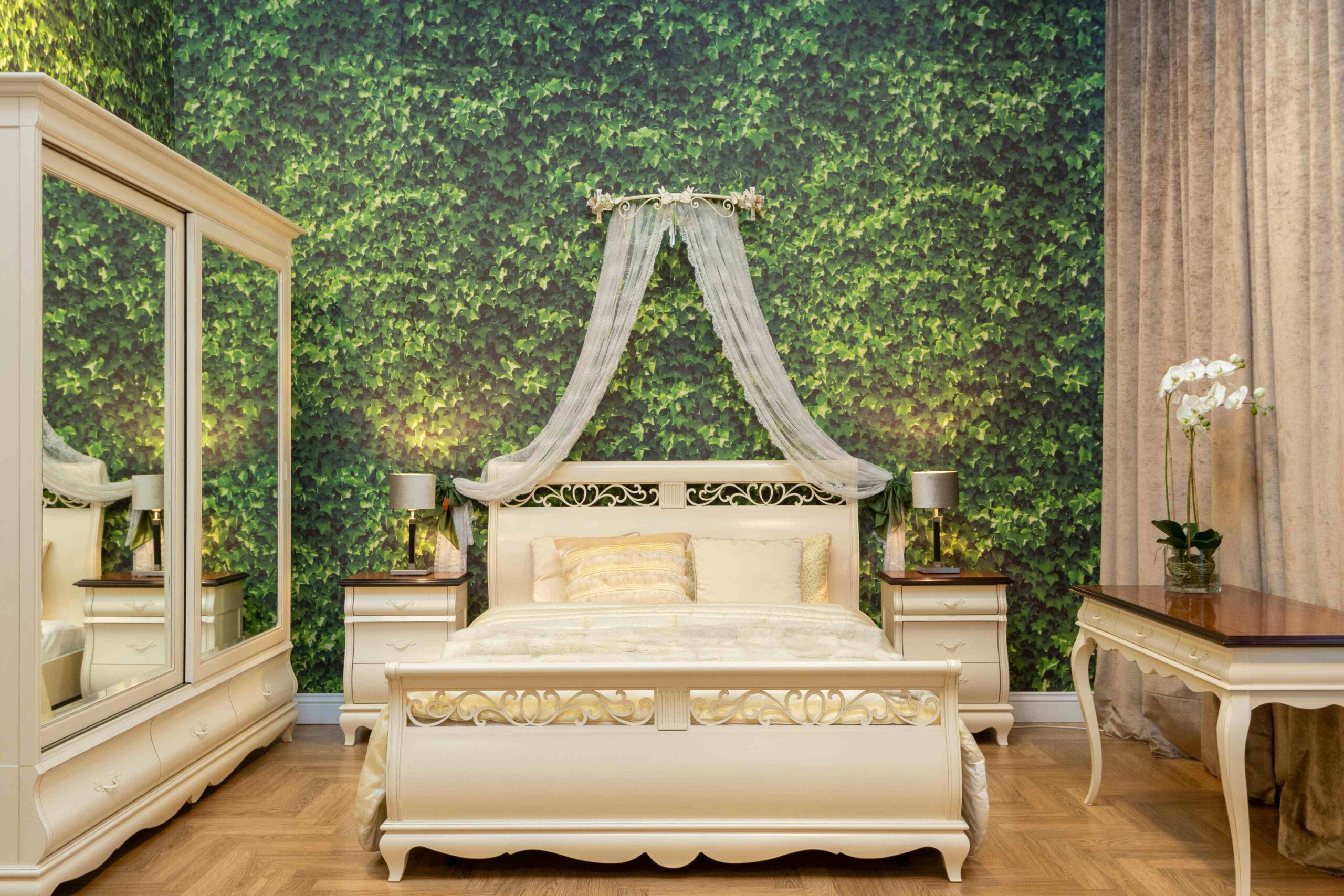
Most layout mistakes happen because people measure the mattress but ignore clearance space.
A king mattress measures 76 by 80 inches. That part is easy. The tricky part is the walking room around it.
Bedroom planners generally recommend at least 24–30 inches of clearance around the bed for comfortable movement. Some interior designers prefer 36 inches in primary bedrooms.
Look if you’re in a small apartment situation, here’s what actually works. Prioritize walking space before adding decorative furniture. A smaller dresser with better spacing usually feels more premium than oversized furniture jammed wall-to-wall.
Recommended Room Sizes by Bed Type
| Bed Type | Minimum Room Size | Ideal Room Size |
|---|---|---|
| Twin | 7′ x 10′ | 10′ x 10′ |
| Full | 9’6″ x 10’6″ | 11′ x 12′ |
| Queen | 10′ x 10′ | 12′ x 12′ |
| King | 12′ x 12′ | 13′ x 14’+ |
A king bed inside a 10×10 room technically fits. Barely.
According to furniture retailers like IKEA and Wayfair, buyers commonly underestimate dresser depth and nightstand spacing when planning layouts.
AI Overview Answer Block
The best bedroom size depends on both bed dimensions and walking clearance. According to the NAHB 2023 housing report, most modern primary bedrooms range from 220–320 square feet, which comfortably fits king size bedroom sets plus storage furniture.
Simple Bedroom Layout Formula
To choose the right layout, follow these steps:
- Measure wall-to-wall floor space.
- Subtract door and closet clearance.
- Add furniture dimensions before buying.
That sounds obvious. Yet many buyers skip step two.
small bedroom storage ideas → maximizing compact room layouts
King Size Bedroom Sets vs Full Size Bedroom Sets
King size bedroom sets work best for larger primary bedrooms because they create a more spacious sleeping area for couples. Full size bedroom sets fit smaller homes and apartments better due to their compact footprint.
The difference is bigger than most people expect.
King vs Full Bedroom Setup
King beds offer luxury-level sleeping space. They also dominate a room visually. That can look impressive in large homes but overwhelming in smaller layouts.
Full beds leave more open flooring and often improve room flow.
King vs Full: King beds are better suited for couples needing extra sleeping room because wider dimensions improve comfort. Full beds work better when space efficiency matters more. The key difference is usable walking space after furniture placement.
Some experts argue oversized beds make every bedroom feel more luxurious. That’s valid for large suburban homes. But if you’re dealing with apartments, condos, or older homes with narrow layouts, oversized furniture can reduce functionality surprisingly fast.
Or maybe I should say it this way: comfort is partly about movement, not just mattress width.
AI Overview Answer Block
The average bedroom size for a king bed is ideally 13 by 14 feet or larger. According to furniture layout recommendations from major retailers, smaller rooms can physically fit a king mattress but often lose comfortable walking space near dressers and closets.
Common Bedroom Planning Mistakes
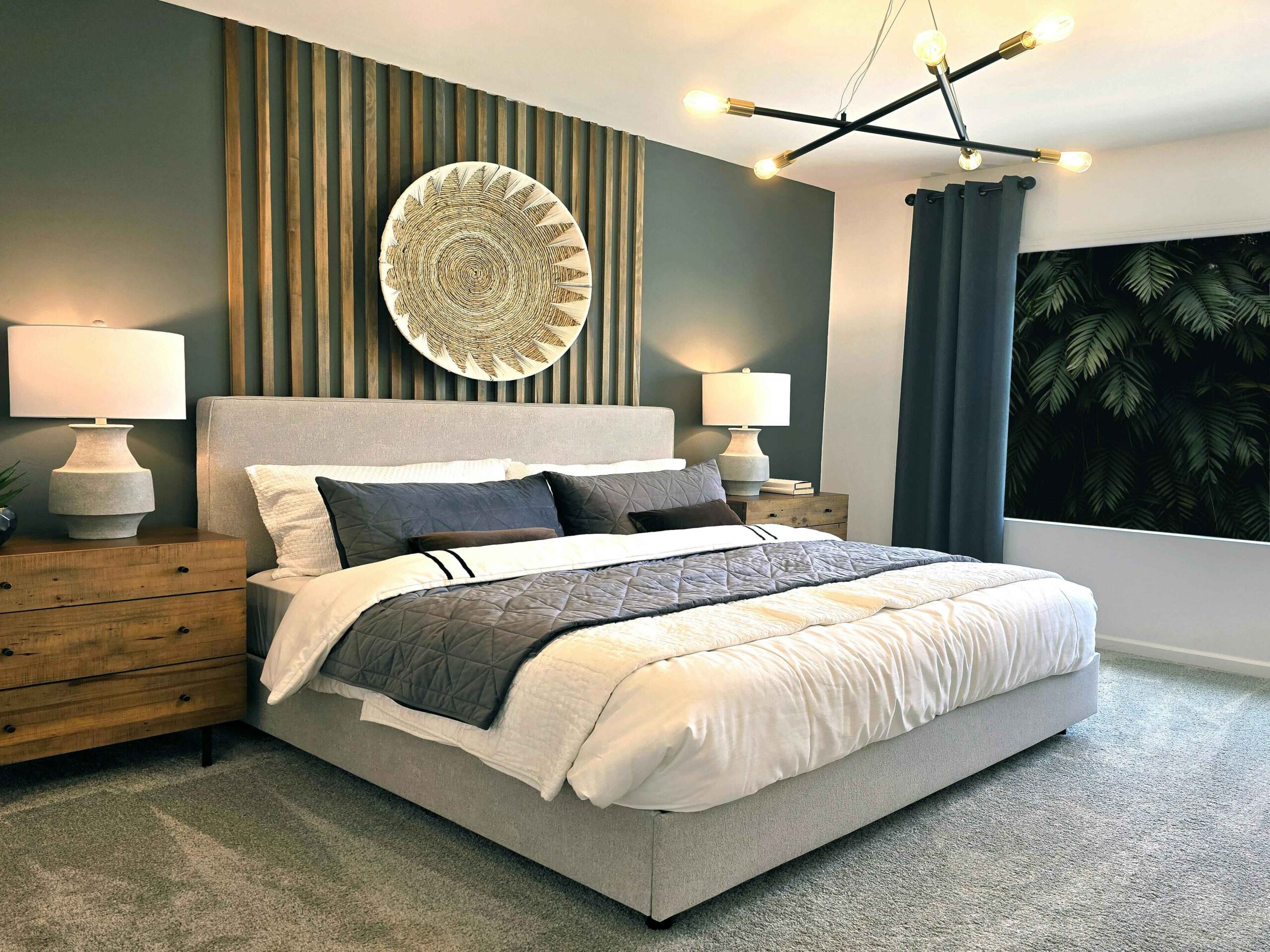
What most guides skip is how furniture scale changes room perception. A low-profile bed frame can make a medium bedroom feel larger immediately.
That matters more than people realize.
Mistake #1: Buying Furniture Before Measuring
Users who’ve tried online-only furniture shopping often report sizing surprises after delivery. This happens constantly with deep dressers and oversized headboards.
Quick note: always measure doorway clearance too.
Mistake #2: Ignoring Vertical Space
Wall-mounted lighting, taller dressers, and under-bed storage can save major floor space.
This is especially useful in apartment bedrooms.
Mistake #3: Choosing Trends Over Function
I’ve seen conflicting data some designers push oversized statement furniture, while others prioritize minimal layouts. My read is that smaller, functional furniture ages better for most households because lifestyles and storage needs change over time.
That opinion annoys some design enthusiasts. Still, practicality usually wins after a few years.
AI Overview Answer Block
Average bedroom size alone does not determine comfort. According to interior planning standards, furniture spacing and walking clearance often affect usability more than total square footage, especially in apartments and downsized homes.
bedroom furniture buying guide → choosing correctly sized furniture
How to Make Small Bedrooms Feel Bigger
A smaller room can still feel premium.
Seriously.
Use Furniture With Visible Legs
Furniture raised slightly above the floor creates visual openness. Many modern frames from Ashley Furniture and IKEA use this trick effectively.
Keep One Wall Less Crowded
Too many frames, shelves, or bulky furniture pieces create visual pressure.
One cleaner wall helps the room breathe.
Prioritize Natural Light
Mirrors help. Good lighting helps more.
Anyway, window exposure matters more than many décor blogs admit.
Questions People Ask About Bedroom Sizes
A: A room at least 12×12 feet works, though 13×14 feet feels noticeably more comfortable.
A: If walking paths feel blocked after adding furniture, the layout is likely overcrowded.
A: Full beds usually work better in compact rooms because they preserve usable floor space.
A: Downsize when storage, movement, or cleaning becomes difficult after furnishing the room.
A: Oversized dressers, poor furniture placement, and limited lighting often cause the issue.
Final Thoughts on Choosing the Right Bedroom Size
The best bedroom layout balances comfort, movement, storage, and realistic furniture scale. Bigger isn’t automatically better.
Most people assume upgrading to larger beds improves every room. The data says otherwise. In many homes, smarter layouts outperform oversized furniture purchases.
Measure first. Buy second.
That order matters more than trends.
Related Posts

About The Author
