Top Interior Design Styles for 2026
For more than a decade, minimalism dominated the design world. White walls, sparse furniture, neutral palettes, and clutter-free spaces became the gold standard of modern living. But in 2026, homeowners are increasingly moving in a different direction.
Across the design industry, reports suggest that people are replacing sterile, showroom-like interiors with spaces that feel warmer, more personal, and more reflective of their lifestyles. Instead of pursuing perfection, homeowners are embracing individuality through layered textures, vintage pieces, rich colors, meaningful collections, and design choices that tell a story.
The shift isn’t simply about decorating trends. It reflects changing attitudes toward home itself. After years of treating homes as minimalist retreats, many people now want spaces that provide comfort, emotional connection, and authenticity.
The question is no longer how little you can own. The question is how your home can better represent who you are.
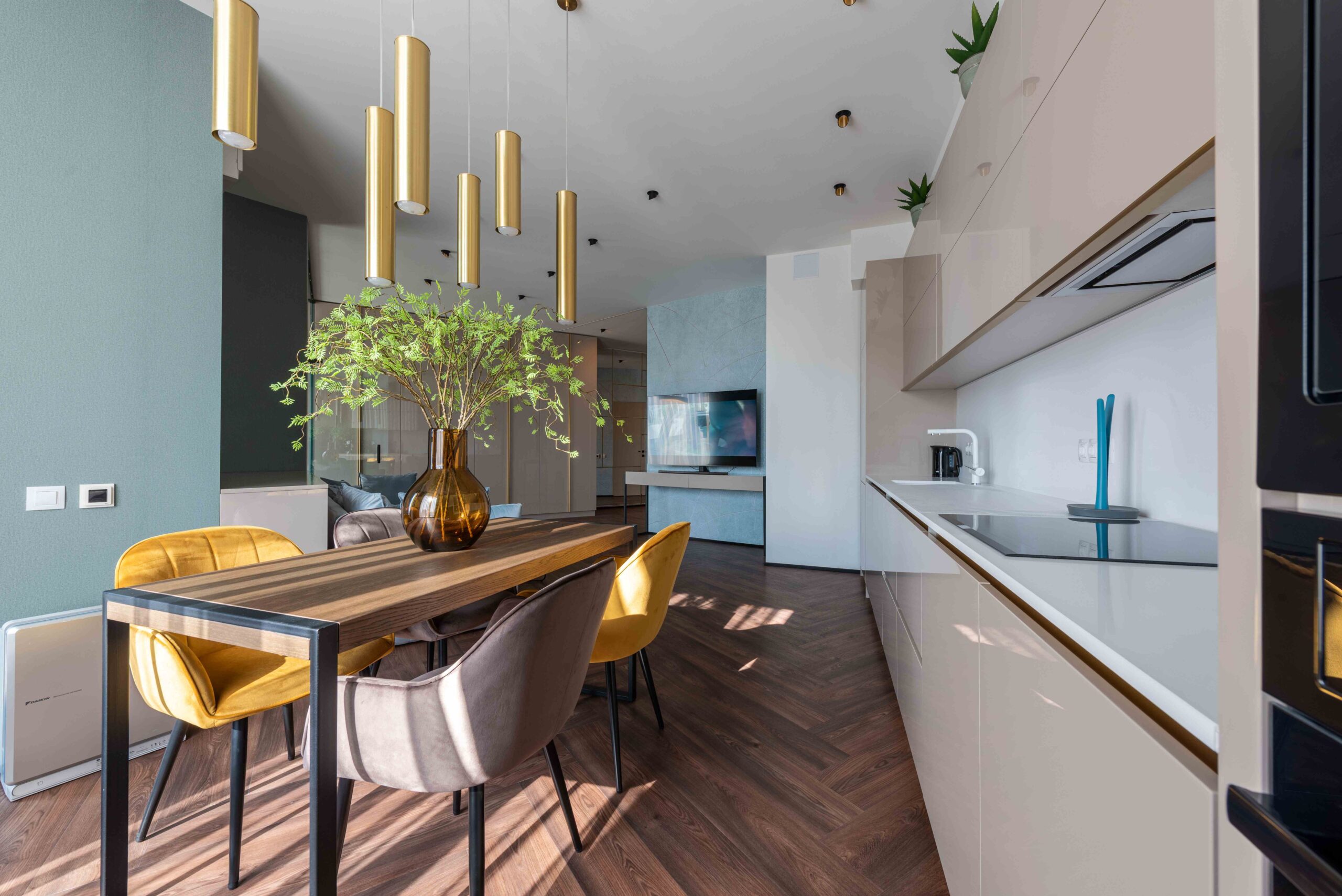
The Evolution of Interior Design Styles in 2026
Interior design styles constantly evolve in response to cultural, economic, and lifestyle changes. While minimalism remains influential, its dominance is fading as newer approaches gain popularity.
According to industry reports and leading design publications, several key styles are shaping homes in 2026:
| Design Style | Key Characteristics |
|---|---|
| Organic Modern | Natural materials, soft shapes, earthy colors |
| Japandi | Scandinavian simplicity mixed with Japanese functionality |
| Quiet Luxury | High-quality materials with understated elegance |
| Modern Vintage | Contemporary design blended with antique pieces |
| Scandinavian | Light-filled spaces, natural textures, practical layouts |
| Mid-Century Modern | Clean lines, iconic furniture, warm woods |
| Biophilic Design | Strong connection to nature through plants and natural elements |
What unites many of these interior design styles is their emphasis on warmth and personality rather than strict minimalism.
Why Homeowners Are Moving Away From Cold Minimalism
Minimalism originally appealed to people because it promised simplicity, organization, and visual calm.
However, many homeowners eventually discovered a downside.
Spaces designed solely around minimalism can sometimes feel:
- Impersonal
- Uninviting
- Difficult to maintain
- Emotionally disconnected
- Similar to countless other homes online
Design analysts suggest that social media also played a role. As millions of interiors began following identical aesthetics, uniqueness became increasingly difficult to achieve.
Today, homeowners are seeking environments that feel lived-in rather than staged.
A beautifully designed home is no longer judged solely by how clean it looks, but by how comfortable and meaningful it feels.
This mindset shift is driving major changes across contemporary interior design styles.
The Rise of Warm, Personality-Driven Spaces
Warmth has become one of the defining design priorities of 2026.
Instead of stark white interiors, homeowners are embracing:
- Warm beige tones
- Terracotta accents
- Rich browns
- Olive greens
- Soft clay colors
- Natural wood finishes
These elements create environments that feel welcoming and grounded.
Texture Is Becoming More Important Than Color
One of the biggest changes within modern interior design styles is the increased use of texture.
Designers are layering materials such as:
- Linen
- Bouclé
- Wool
- Natural stone
- Rattan
- Handmade ceramics
- Reclaimed wood
The result is greater visual depth and sensory comfort.
Rather than relying on bold colors alone, many interiors now create interest through tactile surfaces and material contrasts.
The Return of Storytelling Through Design
Homes are increasingly becoming reflections of personal experiences.
For years, many interiors followed a “catalog aesthetic” where everything appeared perfectly coordinated. In 2026, homeowners are moving toward curated environments that showcase personal stories.
Examples include:
- Vintage furniture inherited from family members
- Artwork collected during travel
- Handmade décor pieces
- Antique lighting fixtures
- Personal book collections
- Unique flea market finds
These elements introduce character that cannot be replicated through mass-produced décor.
Why This Matters
Research in environmental psychology suggests that personalized environments can strengthen emotional attachment to living spaces.
A home filled with meaningful objects often feels more comforting than one designed solely around visual perfection.
Organic Modern Design Is Leading the Movement
Among all emerging interior design styles, Organic Modern has become one of the most influential.
This style combines modern architecture with natural materials and softer aesthetics.
Core Features of Organic Modern
- Curved furniture silhouettes
- Stone and wood surfaces
- Earth-inspired color palettes
- Large windows
- Indoor plants
- Handmade accessories
- Soft lighting
Unlike traditional minimalism, Organic Modern prioritizes comfort alongside simplicity.
The style creates balance by maintaining clean layouts while introducing warmth through natural textures and organic forms.
How Japandi Continues to Influence Homes
Japandi remains one of the strongest design movements entering 2026.
The style merges:
- Japanese principles of simplicity
- Scandinavian functionality
- Natural materials
- Purposeful living
While Japandi still embraces minimalism, it avoids the cold and empty appearance often associated with earlier minimalist trends.
Instead, Japandi interiors focus on:
- Craftsmanship
- Quality materials
- Warm wood tones
- Functional beauty
This makes it particularly attractive to homeowners seeking both simplicity and comfort.
The Quiet Luxury Effect
Another major influence on interior design styles is the rise of Quiet Luxury.
Unlike flashy luxury design trends of previous decades, Quiet Luxury focuses on subtle sophistication.
Characteristics of Quiet Luxury
- Premium natural materials
- Timeless furniture
- Neutral color palettes
- Exceptional craftsmanship
- Understated elegance
Rather than showcasing wealth through excess, Quiet Luxury emphasizes quality over quantity.
Many homeowners are investing in fewer but better pieces that can last for years rather than frequently replacing inexpensive furniture.
The Growing Popularity of Vintage and Retro Design
One of the most interesting developments in 2026 is the renewed appreciation for vintage design.
Mid-century modern furniture, 1970s-inspired décor, and antique accessories are appearing in contemporary homes worldwide.
Why Vintage Is Trending
Several factors contribute to this movement:
- Sustainability concerns
- Desire for unique interiors
- Appreciation for craftsmanship
- Interest in nostalgic aesthetics
Vintage pieces often introduce character and authenticity that newer products struggle to replicate.
This trend also aligns with broader sustainability goals by extending the lifespan of existing furniture and décor.
Biophilic Design Is Becoming a Standard Feature
Biophilic design continues to influence nearly every major design trend.
The concept focuses on strengthening the connection between people and nature.
Common biophilic elements include:
- Indoor gardens
- Living walls
- Natural lighting
- Wood and stone materials
- Water features
- Large plants
Design experts increasingly view biophilic design not as a niche style but as an essential component of healthy living environments.
Benefits Often Associated With Biophilic Spaces
According to research and industry studies, nature-inspired interiors may contribute to:
- Reduced stress levels
- Improved well-being
- Enhanced productivity
- Better indoor comfort
As a result, homeowners continue integrating natural elements regardless of their preferred interior design style.
Technology Is Becoming Less Visible
Technology remains important in modern homes, but the way it is integrated is changing.
Rather than showcasing devices, many designers are concealing technology within interiors.
Examples include:
- Hidden speakers
- Integrated lighting systems
- Concealed charging stations
- Smart climate controls
- Invisible home automation features
This approach allows homeowners to enjoy modern conveniences without disrupting the aesthetic warmth of their spaces.
The emphasis is shifting toward technology that enhances daily life without dominating the visual environment.
What These Changes Mean for the Future of Interior Design Styles
The movement away from cold minimalism does not mean minimalism is disappearing entirely.
Instead, design trends suggest a broader evolution.
Future interior design styles are likely to prioritize:
- Authenticity
- Emotional connection
- Sustainability
- Craftsmanship
- Personal expression
- Comfort
- Longevity
The most successful homes of 2026 are not necessarily the most expensive or the most visually perfect.
They are the homes that feel personal.
Designers increasingly describe the modern home as a reflection of identity rather than a display of trends. This philosophy is influencing everything from furniture selection and color palettes to architectural planning and material choices.
As homeowners continue seeking spaces that support well-being and self-expression, warmth and individuality are becoming defining characteristics of contemporary design.
Final Thoughts
The rise of warm, personality-driven interiors represents one of the most significant shifts in recent design history. While minimalism introduced valuable lessons about simplicity and intentional living, many homeowners now want more than visual order alone.
They want homes that tell stories.
From Organic Modern and Japandi to Quiet Luxury and vintage-inspired décor, today’s leading interior design styles emphasize comfort, character, and emotional connection. The result is a new era of design where individuality matters more than perfection and where homes are created not merely to be admired, but genuinely lived in.
As design trends continue to evolve, one principle is becoming increasingly clear: the most memorable interiors are not the ones that follow every trend. They are the ones that reflect the people who call them home.
Related Posts

About The Author
